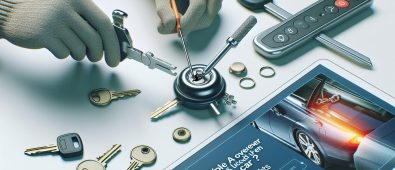
With vehicle theft on the rise, ensuring your car is securely locked is more crucial than ever.proper locking techniques not only safeguard your investment but also provide peace of mind while you’re on the road or parked.Discover essential best practices that will enhance your vehicle’s security and keep unwanted intrusions at bay.
Understanding the Importance of Car Security
Why car Security is Essential
Every minute, a vehicle is stolen in the United States, underscoring the urgent need for effective car security measures. Car theft not only leads to financial loss but also substantially impacts the emotional well-being of the victim. Understanding the various aspects of vehicle security can empower car owners to protect their properties and ensure peace of mind.
Crime Prevention Starts with Awareness
Being aware of your surroundings and adopting basic security practices can substantially diminish the risk of car theft. Such as:
- Always park in well-lit areas.
- Utilize parking lots with surveillance cameras.
- Never leave valuables visible inside the car; stow them in the trunk.
Integrating technology into your vehicle’s security system is equally crucial. Many modern cars come equipped with advanced anti-theft devices, while aftermarket options are readily available. For instance, installing a car alarm system can deter thieves with audible alerts. Popular choices include systems with features such as motion sensors and remote access, ensuring your car is monitored even when you’re not around.
Implementing Effective Security Measures
A multi-layered approach to car security not only protects your vehicle but also deters potential theft attempts. Here are some proactive measures that reflect best practices for securing your vehicle:
- Invest in a high-quality car alarm system that includes features such as shock sensors and panic mode.
- Consider additional deterrents like steering wheel locks or tire immobilizers, which physically prevent your car from being driven away.
- Utilize GPS tracking systems that can aid in recovering your vehicle in the unfortunate event of theft.
Ultimately, understanding how to lock a car properly is a small yet vital component of an all-encompassing security strategy. By integrating both traditional methods and modern technologies, car owners can drastically lessen the chances of falling victim to vehicle theft, making the streets a safer place for everyone.
Common Mistakes People Make when locking Their Cars
When it comes to vehicle security, many individuals inadvertently compromise their car’s safety due to common oversights. Even those who consider themselves conscious of how to lock a car properly can fall prey to simple mistakes that can leave them vulnerable. Understanding thes missteps can be the first step in safeguarding your vehicle from theft or unwanted intrusion.
Neglecting the Basics
One of the most prevalent errors people make is not checking to see if their car is actually locked after attempting to secure it. Many modern vehicles provide a visual or auditory confirmation when locked,yet drivers often skip this crucial step. always double-check by pulling on the door handle to ensure that it’s secured before walking away.
Inadvertently Leaving Keys Inside
The temptation to leave your keys inside your vehicle—especially when running quick errands—can be inviting but perilous. This lapse in judgment makes cars an easy target for thieves.Use a small keychain reminder or set alerts on your smartphone to avoid this mistake.Additionally, consider options like a key fob that allows you to lock your doors remotely.
Parking in Poorly Lit Areas
Another common mistake is failing to recognize the importance of parking locations. Leaving your car in poorly lit or secluded areas can significantly increase the risk of theft. Choose designated parking spots that are well-lit and visible to passersby. It’s not just about how to lock a car properly; where you leave it is indeed just as crucial for security.
Exposing Valuables
A major invitation for theft is leaving valuables visible in your vehicle.Many individuals unintentionally set up their cars to be potential targets by leaving items such as bags, electronics, or even clothing on display. Make it a habit to store valuables in the trunk or take them with you whenever possible.
| Common Mistake | Consequences | Preventive Measures |
|---|---|---|
| Not checking locks | Car remains unlocked | Physically test door handle |
| Leaving keys inside | Higher theft risk | Set reminders; use remote lock |
| Poor parking choices | Theft opportunities | Park in well-lit, busy areas |
| Visible valuables | Attracts thieves | Store items out of sight |
Addressing these common pitfalls can definately help bolster your knowledge of how to lock a car properly and ensure that your vehicle remains a secure space. Making conscious efforts to correct these mistakes can save you from the hassles associated with vehicle theft and enhance your overall sense of security.
Effective Locking Techniques for Enhanced Protection
Did you know that over 700,000 vehicles are stolen in the United States each year? This alarming statistic emphasizes the crucial need for effective locking techniques to safeguard your vehicle.Whether it’s an everyday errand or a long road trip, understanding how to properly lock your car is a fundamental skill that goes hand in hand with car ownership.
Understanding the Basics of vehicle Locking
Every vehicle comes equipped with basic locking mechanisms, but many owners overlook the effectiveness of these features. Always ensure that you actively engage your car’s locking system. This involves not only pressing the lock button on your key fob but also visually confirming that all doors have securely closed and locked. A common mistake is assuming the locks are engaged when, in fact, they may not be if the door is slightly ajar.
To double-check your locking status, consider the following actions:
- Listen for the sound of the locks engaging.
- Watch for the indicator lights on your dashboard.
- Try a door handle to confirm it’s locked.
Utilizing Advanced security Features
Modern vehicles come equipped with a myriad of security features designed to thwart theft attempts. Familiarizing yourself with these options can provide an additional layer of protection. Some popular features include:
- Keyless entry Systems: While convenient, such systems can be vulnerable to relay attacks. To combat this, store your key fob in a Faraday pouch when not in use to block signals.
- Immobilizers: These devices prevent the engine from starting without the correct key, making it incredibly challenging for thieves to drive away with your car.
- Car Alarms: A loud alarm can deter thieves. Ensure that your alarm system is functioning properly and test it periodically.
- GPS Tracking Systems: In the unfortunate event that your vehicle is stolen, a GPS tracking system can aid law enforcement in recovery.
Strengthening your Locks
Even the most advanced vehicle locks can be compromised without proper safeguards.Incorporate the following tips into your routine to enhance your vehicle’s security:
- Use a Steering Wheel Lock: This physical barrier serves as an effective deterrent and can thwart attempts to steal your vehicle even if intruders gain access.
- install a Kill Switch:* A hidden kill switch can be installed to stop the battery or fuel supply to your vehicle, adding an extra layer of defense.
- Avoid Leaving Valuables in Plain Sight:*** An open bag or visible electronics can attract thieves, even if your vehicle is locked.
| Locking Method | Effectiveness | Ease of Use |
|---|---|---|
| Key fob Lock | Moderate | High |
| Manual Locking | High | Medium |
| Steering Wheel Lock | High | Low |
| GPS Tracking | High | Medium |
Implementing these effective locking techniques is essential not only for protecting your vehicle but also for peace of mind. By understanding the best practices associated with locking your car and leveraging advanced security features,you can significantly reduce the risk of theft and enhance your overall automotive security.
Additional Security Measures Beyond Locking
A startling statistic reveals that a vehicle is stolen every 40 seconds in the U.S., making the investment in robust security measures not just advisable but essential. while correctly locking your car is foundational in preventing theft, there are additional strategies you can implement to bolster your vehicle’s defenses. Understanding these measures and integrating them into your daily routine can significantly deter potential thieves.
Enhance Your Vehicle’s Security with Technology
In an age where technology is constantly evolving, utilizing gadgets designed for car security can make a world of difference. Here are some modern options to consider:
- GPS Tracking Systems: These discreet devices can provide real-time location tracking, enabling you to locate your vehicle quickly in case of theft.
- Steering Wheel Locks: A physical barrier like a steering wheel lock makes it difficult for thieves to drive away with your car,serving as a visible deterrent.
- Car Alarms: Investing in a high-quality alarm system that triggers an audible sound can scare away intruders and alert those nearby.
- Dash Cameras: These not only capture incidents while you’re parked but can also deter prospective thieves due to their visible presence.
Physical Safeguards
Aside from high-tech solutions, don’t underestimate traditional physical security measures. Basic enhancements can effectively reduce the risk of theft:
- Lock Your Valuables: Always remove any visible items or hide them in your trunk to avoid attracting unnecessary attention.
- Park Smart: choose well-lit, busy areas for parking. Avoid isolated spots whenever possible to minimize risk.
- Window Tinting: Consider using tinted windows to obscure the view into your vehicle, thereby making it less tempting to thieves.
Insurance Considerations
Another aspect of vehicle security is ensuring you have appropriate insurance coverage. This can provide financial protection in case the worst happens:
| Type of Insurance | Description |
|---|---|
| Complete Coverage | Covers theft and damage caused by non-collision incidents, like vandalism. |
| Gap Insurance | Helps cover any difference between your car’s actual cash value and what you owe on a loan. |
| Personal Property Coverage | Covers the loss of personal items stolen from within your vehicle. |
Incorporating these additional security measures can greatly enhance your vehicle’s safety and provide peace of mind. By not only concentrating on locking the car properly but also implementing advanced technologies, utilizing physical deterrents, and ensuring adequate insurance coverage, you can significantly reduce the chances of becoming a victim of car theft.
How to Spot Vulnerabilities in Your Car’s Locking System
Detecting vulnerabilities in your vehicle’s locking system is critical for enhancing your car’s security. With car theft rates on the rise, ensuring that your locking mechanisms are robust is more important than ever. Many drivers are unaware of potential weaknesses that could make their vehicles easy targets. Here’s a guide on how to effectively identify these vulnerabilities in order to secure your car properly, following best practices.
Common Vulnerabilities to Look For
When inspecting your car’s locking system, be alert to these prevalent weaknesses that thieves can exploit:
- Worn Key or Lock Cylinders: Over time, cylinders can become damaged or worn, making it easier for intruders to pick or manipulate the lock.
- Visible Wiring: Examine the electrical components associated with central locking systems. Exposed wiring could be tampered with to bypass the locking mechanism.
- Weak Door Locks: Some vehicles have poorly designed factory locks that can be easily jimmied or forced open. Test the security of your locks by seeing how much resistance they provide.
- Unsecured Smart Keys: with the rise of keyless entry systems, ensure your smart keys are stored securely, as they can be hacked or cloned via relay attacks.
- Windows and Sunroofs: Don’t forget to check for vulnerabilities in other access points. Even a simple roll-down window can bypass the locking system entirely.
Practical Steps to Evaluate Your Locking Mechanism
A hands-on approach can reveal surprising insights about your car’s vulnerabilities. Here are some practical steps you can take:
- perform a Physical Check: Start by manually testing all doors, the trunk, and the gas cap to ensure they lock securely without any unusual play.
- Simulate Forced Entry: While you should never cause damage, you can gently test the strength of your locks by applying pressure with a basic tool like a flathead screwdriver to see if it withstands the force.
- Consult Technical manuals: Review your vehicle’s service manual for specific locking mechanisms and potential areas of vulnerability pertinent to your model.
- Leverage Technology: If feasible, consider investing in an electronic lock diagnostic tool that can highlight any weaknesses in your vehicle’s electronics related to the locking system.
Professional Help for Peace of Mind
If you want a comprehensive evaluation, hiring a professional locksmith can provide insights that go beyond your capabilities.They have specialized tools and knowledge to look for vulnerabilities that the average user may overlook. You can refer to the table below for a quick overview of the options for evaluating your vehicle’s security.
| Method | Description | pros | Cons |
|---|---|---|---|
| DIY Inspection | physical check of locks and windows. | Cost-effective, increases awareness. | Insufficient for complex vulnerabilities. |
| Professional Locksmith | Comprehensive assessment by an expert. | Thorough evaluation, specialized knowledge. | cost implications, may require appointment. |
| Electronic Diagnostics | Use of tech tools to assess locking systems. | Accurate identification of electronic vulnerabilities. | Perhaps expensive, requires expertise. |
By proactively assessing your car’s locking system, you’ll not only understand how to lock a car properly but also significantly enhance your vehicle’s overall security. remember, taking these steps could be the difference between keeping your car safe or becoming a victim of theft.
The Role of Technology in Modern Car Security
Did you know that over a million cars are stolen in the U.S. each year? As the automotive industry evolves, so does the need for advanced car security measures. With the integration of cutting-edge technology, ensuring your vehicle’s safety has never been more effective.From elegant locking mechanisms to smartphone applications, technology plays a pivotal role in modern car security, greatly reducing the chances of theft.
Advanced Locking systems
Modern vehicles are equipped with a variety of advanced locking systems that far surpass traditional keys and locks.Keyless entry systems, as a notable example, utilize a set of wireless protocols that only allow the vehicle to be accessed when the specific key fob is in close proximity. While convenient, these systems are not without their vulnerabilities. Thieves have developed techniques to exploit these systems by using devices that amplify the signal from the key fob,enabling them to unlock the car remotely. To counteract this, owners should consider methods such as:
- Faraday Bags: Keep your key fob in a specially designed Faraday bag that blocks all signals and prevents unauthorized access.
- Manual Locks: Whenever possible, utilize manual locking systems along with electronic ones for added security.
smart Technology Solutions
In recent years, the rise of smart technology has transformed the landscape of vehicle security. Many new cars now come equipped with smartphone applications that allow drivers to lock or unlock their vehicles remotely, track their car’s location via GPS, and receive alerts for suspicious activity. Some of the most notable features include:
| Feature | Benefits |
|---|---|
| Remote Lock/Unlock | Convenience and instant access to your vehicle, even from a distance. |
| GPS Tracking | Increased chances of recovery in case of theft. |
| Notification Alerts | real-time alerts for unauthorized access or movement. |
These features not only provide peace of mind but also empower car owners to take proactive measures in securing their vehicles, reflecting the principles laid out in “How to Lock a Car Properly: Security Best Practices.”
Biometric Security measures
As we move further into the age of digital innovation, biometric security measures are becoming more prevalent in vehicle protection systems. Fingerprint recognition, facial detection, and other forms of biometric access can serve as an effective deterrent against car theft. For instance, some high-end models now offer fingerprint sensors that require the driver to scan their finger to unlock the door. This technology ensures that only authorized users can access the vehicle, making it exceedingly difficult for thieves to bypass security systems.
Ultimately, understanding how to lock a car properly not only involves mastering traditional methods but also embracing the innovative technologies available today. By leveraging these advancements—ranging from advanced locking systems to biometric security measures—car owners can enhance their vehicle’s security, making it much harder for thieves to succeed in their endeavors.
Tips for Staying Safe While Parked in Public Spaces
Stay One Step Ahead: Parking Safety tips
Did you know that a significant number of vehicle thefts happen in parking lots and public spaces? Ensuring your car is safe when parked can frequently enough be overlooked, but with the right practices, you can greatly reduce the risk of becoming a victim. Employing strong techniques based on proven methods for how to lock a car properly is essential for safeguarding your vehicle.
- Choose your Spot Wisely: Always park in well-lit areas that are easily visible to foot traffic. Thieves are less likely to target vehicles that draw attention.
- Utilize Security Features: Make sure to activate your car’s security systems, like alarms and immobilizers, when leaving the vehicle. familiarize yourself with the features of your car and how they enhance security.
- Keep windows and Doors Locked: A basic yet crucial practice is to ensure all windows are rolled up and doors are locked when leaving your vehicle.Double-check before walking away to ensure that everything is secure.
- Remove Valuables: Never leave items in plain sight. Even innocent-looking objects like bags or sunglasses can entice thieves; take anything of value with you or secure them out of sight.
Be Cautious of Parking Garage Pitfalls
Parking garages can present their own set of risks, but there are steps you can take to enhance your car’s security. First and foremost, be mindful of your surroundings as you enter and exit these facilities. Make it a habit to engage your car’s locking mechanism as you approach the vehicle, reinforcing the importance of how to lock a car properly right from the start.
| Action | Benefit |
|---|---|
| Park Near Security Cameras | Discourage theft with visible surveillance. |
| Avoid Isolated Areas | Stay safe by parking where other people are present. |
| Familiarize Yourself with Exits | Being aware helps you leave quickly in an emergency. |
by being vigilant and implementing these actionable tips, you can greatly enhance the safety of your vehicle while parked in public spaces. Every small effort contributes to a more secure surroundings for you and your car.
What to Do If You’ve Lost Your Keys or Locked Yourself Out
Losing your keys or accidentally locking yourself out of your car can be a frustrating experience that strikes fear into the hearts of even the most seasoned drivers. Whether you’re in the middle of a busy day or heading out for an evening adventure, it’s essential to have a strategy in place to handle these situations calmly and efficiently.Here’s how you can tackle the dilemma of lost keys or being locked out.
First Steps to Take
When you first realize you’ve misplaced your keys or locked them inside your car, take a deep breath and assess the situation. Panic won’t help, but a clear plan can. Here are practical steps to follow:
- Check for Spare Keys: If you have a spare key hidden somewhere, now is the time to look for it. Many people keep duplicates in their homes, so don’t hesitate to ask a family member or friend to bring it to you.
- Retrace Your Steps: Think back to where you last had your keys. if you were in a store or another location, check with the lost-and-found. Sometimes, a good Samaritan might turn in lost keys.
- Assess access: If you have an older model car with manual locks, consider whether it’s possible to unlock a door using tools like a coat hanger or a shoelace.however,be careful not to cause damage.
Calling for Help
If your immediate attempts to retrieve or access your keys aren’t successful, it may be time to reach out for professional assistance. Here’s who you can contact:
- Roadside Assistance Services: If you have a membership with a service like AAA, they can often assist in unlocking your vehicle, and many offer lockout services as part of their coverage.
- Local Locksmith: A reliable locksmith can provide quick help, especially if they specialize in automotive services. It’s advisable to search for locksmiths who are certified and have good reviews to ensure you’re getting trustworthy help.
- Dealership Support: If you’ve lost a key with an integrated chip or fob, your dealership is equipped to provide a new one, though it may not be the quickest option.
Preventing Future Lockouts
To reduce the likelihood of experiencing a lockout in the future, consider implementing some security best practices:
| Tip | Description |
|---|---|
| Key Finder Device | Invest in a Bluetooth key finder; it connects to your smartphone and helps locate lost items easily. |
| Routine Check | Create a habit of checking your pockets or bag before leaving any place to ensure you have your keys. |
| Spare Key Location | keep a spare key in a secure location,perhaps with a trusted friend or family member,or utilize a magnetic key holder on your car. |
Being prepared and aware of your options when it comes to managing the frustration of lost keys can make a significant difference. By incorporating these practices and tips into your regular habits, you not only help secure your vehicle but also mitigate the stress of dealing with lockouts in the future.Remember,knowing how to lock a car properly is just as essential as knowing what to do when things go awry.
Faq
What are the best practices for locking a car?
When it comes to locking a car properly, best practices are designed to ensure maximum safety and security for your vehicle. Firstly, always make sure to use your car’s key fob or manual key to lock the doors. While it might be tempting to simply press the lock button from a distance,this can sometimes lead to miscommunication between the fob and the vehicle,especially in crowded areas.Additionally, it’s important to perform a visual check to confirm all doors are locked and windows are closed. Many newer vehicles come equipped with alerts or chimes that inform you if a door remains ajar. For peace of mind, consider investing in a secondary visual deterrent, such as a steering wheel lock or tire lock.These not only enhance security but can also discourage potential thieves by drawing attention to your vehicle.
How can technology enhance car security when locking?
Modern technology offers numerous ways to enhance car security, making it easier and more effective to lock your vehicle. Many newer cars come equipped with smart locks and keyless entry systems that provide added convenience. When locking your car, simply pressing a button on your fob or using a mobile app allows for quick engagement of security features.
Moreover, consider utilizing GPS tracking systems that alert you of any unauthorized movement of your vehicle. Some systems even allow for remote disabling of the engine if theft is detected. Moreover, manufacturers now offer features like automatic locking, which ensures doors lock after a certain speed is reached or when you step away from the vehicle. Effectively employing these technologies not only enhances your vehicle’s security but also provides you with greater control and peace of mind.
What should I do if my car doesn’t lock properly?
Experiencing difficulties with your car’s locking mechanism can be frustrating and concerning. First, conduct a basic inspection; check the key fob’s battery, as a dead battery can prevent the lock signal from reaching the vehicle.If the fob is functioning but your doors still fail to lock, the issue may lie within the car’s locking mechanism itself.
In such situations, consulting your vehicle’s user manual can offer troubleshooting tips tailored to your specific model. If the error persists, it’s advisable to seek professional assistance. A qualified mechanic can accurately diagnose whether the problem stems from faulty wiring, a broken actuator, or a malfunctioning electronic component. Regular maintenance checks can help keep locking mechanisms functioning correctly and prevent potential security vulnerabilities.
Are there common mistakes people make when locking their cars?
Absolutely, there are several frequent mistakes people make that can compromise vehicle security. One of the most common missteps is forgetting to double-check. After locking your car, many individuals will simply walk away without verifying that all doors and windows are secured.Taking that extra moment to confirm that everything is locked can save you from potential theft.
Another common error involves leaving valuables in plain sight.Even if your car is locked, any visible items like electronics, bags, or shopping goods can entice thieves. Additionally, people might become too reliant on automatic locking features without recognizing their limitations, such as being too far away when attempting to lock the doors. Taking proactive steps, such as hiding valuables or using physical barriers like steering wheel locks, can further reduce the risk of theft.
How does parking location influence car security?
The location where you park your vehicle plays a crucial role in its overall security. As a notable example, parking in well-lit areas and frequented spaces can act as a natural deterrent to thieves. Dark or isolated spots provide cover for criminals and can make vehicles easier targets, especially if they’re left unattended for long periods.
Moreover, relying on parking lots with surveillance cameras and security personnel can significantly enhance your vehicle’s safety. Parking near exits or areas with higher foot traffic can raise visibility and decrease the chances of theft. When possible, consider utilizing secure parking facilities that offer additional safety measures, such as gated access or monitored premises, providing extra layers of protection for your vehicle.
What should I do if I suspect my car has been tampered with?
If you suspect your car has been tampered with,the first step is to remain calm and composed. Carefully inspect your vehicle for signs of forced entry,missing items,or damage to locks or windows. If you notice anything unusual, do not attempt to enter the vehicle; instead, keep a safe distance and contact local law enforcement promptly.
It’s also wise to inform your car insurance provider about the potential tampering.They can guide you on the next steps regarding any claims and provide support for potentially recovering stolen items. In addition, install a vehicle alarm or seek professional assistance to assess the overall security of your car to prevent future incidents. Regularly updating your security measures can ensure a proactive approach to protecting your vehicle.
To Wrap It Up
ensuring your vehicle is properly locked is a crucial step in safeguarding your investment and personal safety. By adhering to best practices such as using your key fob, double-checking all doors, and utilizing additional security measures like steering wheel locks or alarm systems, you can significantly reduce the risk of theft. Remember, with increasing sophistication in car theft tactics, staying informed and vigilant is your best defense. we encourage you to take action now—review your current locking habits, implement these recommendations, and share your experiences or questions in the comments below. Your engagement not only helps enhance community awareness but also fosters a collective effort toward better car security.