

Dealing with a car that’s locked due to an anti-theft system can be frustrating and inconvenient, leaving you stranded. Understanding how to troubleshoot and remove theft lock mechanisms is crucial for car owners to regain access quickly and avoid costly repairs. This guide will provide clear steps to resolve this common automotive issue and get you back on the road.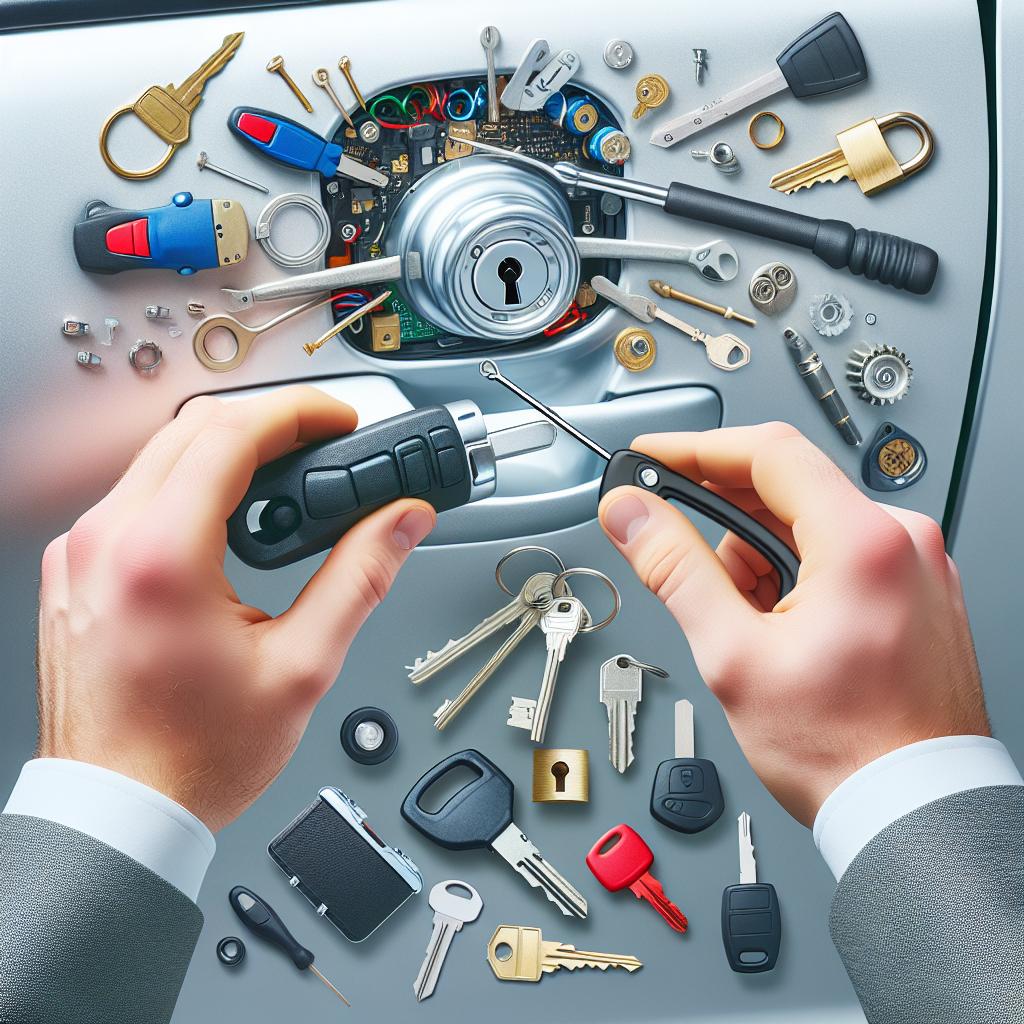
Understanding the Theft Lock System: What You Need to Know
Decoding the Theft Lock System: essential Insights
Understanding how the theft lock system works is crucial for every vehicle owner. A significant number of modern vehicles are equipped with these anti-theft systems that serve as a deterrent against unauthorized access and vehicle theft. If you find yourself locked out of your vehicle due to this system, it can be frustrating. Knowing the ins and outs of the theft lock system can not only save you time but also provide peace of mind.
The theft lock system, often integrated into the vehicle’s electronic framework, operates using a series of signals between the ignition key and the car’s onboard computer. When you insert the key and turn the ignition, the vehicle’s computer checks for a unique code embedded in the key. If the code matches, it allows the vehicle to start. If not,the system activates the immobilizer,which effectively prevents the engine from starting,thereby protecting your car from theft.In cases where the system malfunctions, troubleshooting may require a close examination of key fob batteries, communication errors within the vehicle’s electronics, or even faulty wiring.
To navigate troubleshooting effectively,consider the following practical steps:
- Check the Key: Ensure that the key is not damaged and that its battery (if applicable) is functional.
- Inspect the Ignition System: Look for any visible signs of wear on the ignition system or key slot.
- Consult the Error Codes: Utilize an OBD-II scanner to read any fault codes that may indicate a specific issue within the anti-theft system, such as the B2799 code, which points to immobilizer malfunctions [[2]].
- Use the Owner’s Manual: Refer to your vehicle’s manual for specific resetting or bypassing instructions for your model’s theft lock system.
Temporary Bypass Solutions
In scenarios where you need immediate access, learning to bypass the theft lock system can be incredibly useful. While this is generally a temporary solution, being aware of how to perform a bypass can alleviate moments of crisis. Such as, with Ford’s PATS (Passive Anti-Theft System), you can follow specific steps like ensuring all doors are closed, turning off the ignition, inserting the key, and performing ignition cycles to reset the system [[3]].
These insights into the theft lock system can empower you as a car owner, enabling you to take swift action when faced with access issues. Whether it’s knowing through troubleshooting steps how to get the theft lock off your car or being prepared with a plan to bypass when necessary,the right knowledge can make all the difference in maintaining your vehicle’s security.
Common Reasons for Theft Lock Activation in Your Vehicle
Understanding Theft Lock Activation in Your Vehicle
Vehicle anti-theft systems are designed to protect your car from unauthorized access, but they sometimes activate when you least expect it.Common reasons for theft lock activation can led to frustration, especially if you find yourself locked out of your own vehicle. Understanding these triggers can definitely help you troubleshoot and resolve issues more effectively.
- Incorrect Key Usage: One prevalent cause of theft lock activation is the use of an incorrect or non-coded key. Many modern vehicles utilize advanced systems like Ford’s Passive Anti-theft System (PATS), which require a specially coded key to start the engine. Using an unrecognized key can trigger the theft lock feature, preventing your car from starting. ensure that you’re using the correct key or fob.
- Battery Issues: Weak or dead batteries in your key fob can lead to communication failures between the key and your vehicle’s ignition system. If your security light starts flashing or your car shows no response to ignition attempts, consider checking your key fob’s battery. Replacing it is a simple step that may resolve the issue.
- Accidental Activations: Sometimes, drivers inadvertently activate their vehicle’s anti-theft system, particularly after routine maintenance or when working with the vehicle’s electrical systems. If you’ve recently replaced your battery or had any electrical work done, verify if the system has been triggered. familiarize yourself with the specific signs of activation in your vehicle’s manual.
- faulty Sensors: Malfunctioning sensors within your vehicle can also cause the theft lock to activate unexpectedly. These sensors are integral to the anti-theft system, and issues can arise from wear and tear or environmental exposure. Diagnosing sensor problems may require professional assistance.
Taking Action Against Theft lock Problems
Being proactive can help prevent unnecessary activation of your vehicle’s theft lock system. Consider implementing these strategies; they might save you from the hassle of locked-out situations:
| Preventive Measure | Description |
|---|---|
| Routine Key maintenance | Regularly check your key fob’s battery and ensure it functions correctly. |
| know Your System | Understand how your vehicle’s anti-theft features work and familiarize yourself with the signs of activation. |
| Professional Check-Up | If you frequently encounter theft lock issues, consult a professional mechanic to check for underlying problems in the sensors or system. |
These tips offer insights into how to get the theft lock off your car efficiently. By understanding the common reasons for activation and taking preventive measures, you can enjoy more peace of mind when it comes to your vehicle’s security.
Step-by-Step Guide to Troubleshoot Theft Lock Issues
Troubleshooting Theft Lock issues for Your Vehicle
Experiencing theft lock issues can be frustrating,particularly when you’re in a hurry. Understanding how to troubleshoot these problems effectively can not only save you time but also help you avoid costly professional repairs. The following steps outline practical actions you can take to get your vehicle back on the road quickly and safely.
- Key Fob Signal Check: start by inserting your key into the ignition and turning it to the “On” position without starting the engine. Ensure your key fob has a functioning battery, as a dead battery can prevent the anti-theft system from recognizing your key. If your vehicle has a push-button start, make sure the key fob is inside the vehicle.
- Anti-Theft System Reset: Many vehicles have a reset procedure for their anti-theft systems. Commonly, you will need to leave the ignition in the “On” position for 10 minutes until the security light turns off, indicating that the system has reset. Refer to your vehicle’s manual for specific instructions related to your model.
- Physical Lock Method: If your car has a physical key entry,try manually unlocking the door and holding the key in the unlocked position for about 30 seconds to see if it deactivates the anti-theft lock. This step can often reset the system and allow you access to the vehicle.
Example of PassLock Reset Procedure
For those with a GM vehicle utilizing the PassLock system, resetting can be a bit unique. Follow these steps:
| Step | Action |
|---|---|
| 1 | Turn the ignition key to the “On” position without starting the engine. |
| 2 | Wait for 10 minutes until the security light turns off. |
| 3 | Turn the key to the “Off” position and then back to “On.” |
| 4 | Start the engine. |
By diligently following these steps on how to get the theft lock off your car,you help ensure that you address the most common issues that cause these locks to engage. If problems persist,consulting an experienced mechanic may be necessary to diagnose more complex issues with your vehicle’s anti-theft system.
How to Use Your Key or Fob to reset the Theft Lock
Unlocking Your Vehicle’s Potential: Using Your Key or Fob
Did you know that sometimes the simplest solution lies in your hand? Many drivers facing the frustrating issue of a theft lock engaged can often resolve the problem just by using their key or key fob. These essential tools can play a significant role in resetting your vehicle’s anti-theft system,enabling you to get back on the road quickly.
Using the Key to Reset
the most straightforward method to disengage your vehicle’s theft lock is to utilize your conventional key.Insert your key into the driver’s side door lock,turn it to the unlock position,and hold it there for 20 to 30 seconds. this action sends a signal to the anti-theft system that you are the authorized user, potentially resetting the system. After this, try starting your car. If the engine roars to life, congratulations! You’ve successfully navigated the anti-theft obstacle.
leveraging the Key Fob
For those equipped with a key fob, a few simple steps can facilitate an effective reset of your vehicle’s anti-theft system. Here’s what you can do:
- Press the unlock button on your key fob to unlock the doors. This single act can sometimes signal to the system and reactivate your vehicle.
- If unlocking doesn’t work, try pressing the lock button followed by the unlock button. Sometimes, this quick succession can reset the anti-theft mechanism.
If you continue to experience issues, it’s wise to check the key fob battery. A depleted battery may prevent effective communication with your vehicle’s system,thereby keeping the theft lock engaged[[2](https://bryansgarage.com/gmc-theft-deterrent-system-reset/)].
Alternative Methods for Persistent Issues
If using your key or fob doesn’t yield results, there are other options to consider. For instance, some vehicles may require multiple attempts of locking and unlocking the doors to regain access. additionally, checking your car’s manual can provide specific reset instructions tailored to your model. If all else fails, consulting a professional may be necessary to ensure there are no underlying issues at play.knowing how to effectively use your key or fob can be a game-changer in troubleshooting theft lock issues. By employing these methods, you could save time and get back to your day sooner than you think.
when to Seek Professional Help for Theft Lock Problems
When facing theft lock problems, the instinct might be to handle the issue independently, armed with DIY techniques. However, certain situations necessitate professional intervention. understanding when to call a locksmith can save not just time but also protect your vehicle from further damage.
recognizing Complex Issues
Locking mechanisms are intricate systems designed for security, but wear and tear can lead to malfunctions that are beyond simple fixes. If you encounter issues like a theft lock refusing to disengage despite repeated attempts, it’s a clear sign that the problem may lie deeper than a mere jam or dirt accumulation. Signs like unexplained stiffness, strange noises when operating the lock, or difficulty inserting your key indicate that you may be dealing with mechanical failure or a jeopardized locking system. In such cases, professional help is advisable, as a locksmith can accurately diagnose and resolve the issue without risking further damage to your vehicle’s locking mechanism.
Delicate Situations Require Expertise
Another scenario wherein seeking help is crucial involves the presence of broken keys or compromised locks.A broken key lodged in the ignition or lock can lead to significant frustration and potential security vulnerabilities. Attempts to extract the key without the right tools can result in debris, causing additional harm and complicating the situation further. A professional locksmith is equipped with specialized tools to remove broken keys efficiently and can also assess any resulting damage that might need repair.
When Security Is at Stake
If your vehicle’s locking system has been compromised following a theft attempt, immediate professional assistance is vital. DIY solutions, in this case, may overlook signs of forced entry or damage, leading to inadequate security going forward. A qualified locksmith can replace or repair the affected locks, ensuring your vehicle is secure again. Additionally, they can offer advice on more robust locking mechanisms or security features to prevent future incidents.
Conclusion
while basic troubleshooting techniques can assist with minor lock problems, it’s essential to recognize when issues exceed your expertise. By opting for professional locksmith services in critical situations, you ensure the safety and functionality of your vehicle’s locking systems, ultimately providing peace of mind as you navigate your daily commute.
Preventative Measures to Avoid Theft Lock Activation
While many drivers rely on car locks and electronic systems for protection, theft lock activation can sometimes create more frustration than safety. Understanding how to prevent unexpected theft lock scenarios is essential for every vehicle owner. Taking proactive measures not only enhances your car’s security but also minimizes the chances of dealing with theft locks in situations that could compromise your mobility.
Understanding Common causes of Theft Lock Activation
several factors can contribute to unwanted theft lock activations. It’s vital to comprehend the root causes so you can prevent them effectively. Here are common reasons:
- Incorrect key usage: Using worn-out or incorrect keys can trigger security systems, leading to theft lock activation.
- Battery issues: A weak or dead battery can cause communication failures between your car’s components, resulting in lockouts.
- Electrical failures: Malfunctions within the car’s electrical system, including fuses and wiring, can interfere with anti-theft mechanisms.
Effective Preventative Strategies
To safeguard your car from unintended theft lock activations, consider implementing the following strategies:
- Regular Maintenance: Schedule routine check-ups for your vehicle’s electrical system and battery to ensure everything is in working order.
- Use Quality Keys: Always replace worn-out keys promptly. Duplicating keys from reputable sources can help maintain their integrity.
- familiarize with Security Features: Understanding your vehicle’s specific anti-theft features can prove invaluable. Consult the owner’s manual to know how to handle potential lockout situations efficiently.
- Opt for Professional Help: If you frequently experience theft lock activation, seeking the assistance of a qualified technician can help identify underlying issues.
Implementing Additional Security Measures
Beyond basic maintenance and awareness, consider enhancing your vehicle’s security with supplemental devices. The use of mechanical locks like steering wheel locks can serve as visual deterrents to potential thieves and reduce the likelihood of theft lock activations:
| device | features | Price |
|---|---|---|
| The Club 3000 | Durable, dependable, easy to use | $32 |
| Tevlaphee Steering Wheel Lock | Universal fit, includes 3 keys | $28.99 |
By employing these preventative measures, you not only enhance the overall security of your vehicle but also mitigate the chances of facing frustrating theft lock issues. Incorporating strategies like regular maintenance, understanding your vehicle’s systems, and considering additional physical deterrents can substantially alleviate potential problems outlined in guides on how to get theft lock off your car: troubleshooting steps. With the right precautions, you can enjoy a sense of peace of mind wherever you go.
Exploring Alternative Methods to Unlock Your Vehicle
When faced with the frustration of being locked out of your vehicle, it can feel like a stressful situation with limited options. Though, understanding a variety of alternative methods to unlock your vehicle can be a game changer.With the right techniques and tools at your disposal, you can regain access to your car without professional help. Below are some effective strategies worth exploring,especially if you want to avoid the costly fees associated with locksmith services.
Using Common Household Items
In some cases, the simplest solutions can be surprisingly effective. Household items, such as a coat hanger or a long reach tool, can help unlock your vehicle. Here’s how you might proceed:
- Coat Hanger: Straighten out a wire coat hanger, leaving a small hook at one end. Carefully slide it between the window and weather stripping to fish around for the door lock mechanism.
- Slim Jim: If you have access to a slim jim, you can use it to manipulate the interior locking mechanism.This tool is frequently enough more successful due to its designed purpose.
While these methods can work wonders,it’s crucial to note that they might not work on all makes and models due to varying lock designs.
Utilizing Advanced Techniques
For those who want to explore more advanced methods, understanding your vehicle’s locking mechanism is crucial. Here are a few additional techniques to consider:
- Wedge and Rod Method: Use a plastic or rubber wedge to create a small gap between the door and the frame. Then, insert a rod to press the unlock button or pull the door handle.
- Unlocking Through the Truck Bed: For truck owners, some models allow access to the cabin by removing the tailgate or climbing through the truck bed, depending on the design.
Always keep in mind that these methods may pose a risk of damaging your vehicle, particularly if you’re not experienced.
Seeking Professional Help
If you find these methods daunting or if none are working for your specific vehicle, it might potentially be time to call in the professionals. Locksmiths are equipped with the right tools and skills to unlock cars without causing damage. if you’re frequently finding yourself in these situations, consider investing in a keyless entry system or a spare key to avoid the hassle in the future.
know that being locked out is frustrating, but with these alternative methods to unlock your vehicle, paired with a little patience and creativity, you can boost your chances of regaining access quickly and effectively. Understanding how to get theft lock off your car not only empowers you but can also save you time and money in the long run.
Tips for Communicating with Your Car Manufacturer or Dealer
Effective Communication with Your Car Manufacturer or Dealer
Navigating the process of getting the theft lock off your car can sometimes feel overwhelming,especially if you are not well-acquainted with your vehicle’s manufacturer or dealer. Establishing clear and effective communication with them is vital to expedite troubleshooting steps and ensure a smooth resolution to your issue.
- Be Prepared: Before you make contact, gather all relevant facts regarding your vehicle. This includes the make, model, year, and any previous work done related to the theft lock system.Having your Vehicle Identification Number (VIN) readily available will facilitate faster service.
- Document Everything: Keep a record of your communications, including dates, times, names of representatives spoken to, and details of the conversations. This log can be invaluable if you need to escalate your issue or show proof of your attempts to resolve it.
- Be Clear and Concise: When discussing your problem, be straightforward about the issues you are encountering, particularly with the theft lock system. Avoid unnecessary jargon; rather, describe the problem in simple terms that anyone in the service department can understand.
- Follow Up: If you don’t receive a timely response, don’t hesitate to reach out again. Politely remind them of your previous inquiries and express your desire for a resolution.This keeps your case active and signals the importance of your issue.
Utilizing Available Resources
Familiarizing yourself with the manufacturer’s website or customer service resources can also streamline your communication. Many manufacturers provide troubleshooting guides, FAQs, and even customer forums where you can find valuable information related to unlocking the theft lock mechanism. If you’re encountering frequent issues, consider documenting your experiences and sharing them in these forums, as they can often attract the attention of customer service representatives who value community feedback.
If your attempts aren’t yielding results, don’t hesitate to escalate. find higher levels of customer service, such as a manager or specialized support team, especially if your car is still under warranty.
Ultimately, effective communication is about clarity, preparation, and persistence. By applying these strategies while troubleshooting how to get the theft lock off your car, you increase your chances of a successful and timely resolution.
Faq
What is the theft lock feature in cars, and why does it engage?
The theft lock feature, commonly found in modern vehicles, serves as an anti-theft mechanism designed to protect cars from unauthorized access and potential theft. This system is often triggered when it detects an unauthorized attempt to start the engine or breach the vehicle’s security layers. It works by locking the car’s ignition and sometimes immobilizing the fuel system,rendering the vehicle inoperable until the correct key or code is used.
When the theft lock engages, it may create frustration for car owners. Typical reasons why this feature triggers include using a wrong key, low battery levels in the key fob, or issues with the vehicle’s ignition system. Understanding how this feature works can help owners better troubleshoot the problem and take appropriate actions to resolve it.
How can I tell if my car is in theft lock mode?
Determining if your vehicle is in theft lock mode usually involves observing specific indicators. Most vehicles equipped with an anti-theft system will display a blinking security light on the dashboard when the ignition is turned on. If this light remains on or flashes quickly after you attempt to start the car, it often indicates that the anti-theft system is engaged, preventing the vehicle from starting.
To confirm that theft lock is the issue, try using your key or key fob. If the vehicle still won’t start despite correctly using the designated key, it is indeed likely that the theft lock feature has activated.In such cases, referring to the owner’s manual can provide insights into the specific indicators for your vehicle model.
What steps can I take to reset the theft lock system?
Resetting the theft lock system can vary by vehicle make and model,but there are common steps that can usually resolve the issue. First, insert your key into the ignition and turn it to the “On” position without starting the engine. Maintain this position for about 10 to 15 minutes; this allows the system to automatically reset. After the time has elapsed, turn the ignition back to the “Off” position.
Another effective method involves locking and unlocking the doors using the key manually, as this can reprogram the system.Some manufacturers may also require you to enter a specific code or sequence of operations to reset the theft lock system. Consult your vehicle’s manual for tailored instructions regarding your make and model.
Why won’t my key fob work to unlock the theft lock?
A malfunctioning key fob can often be a primary culprit for theft lock issues. If your key fob’s battery is low or dead, it might not send the necessary signal to disarm the anti-theft feature. Begin by checking the battery status of your key fob. If it appears weak or depleted, replacing the battery can often resolve the problem and restore functionality.
Another reason a key fob may fail is that it has become desynchronized with the car’s systems. In this case, performing a reprogramming process can definitely help. This may involve a specific sequence, such as turning the ignition on and off multiple times or pressing buttons in a specific order.Detailed instructions for your specific vehicle model can typically be found in the owner’s manual or through reliable online resources.
Are there professional services available to unlock the theft lock?
If troubleshooting methods do not yield success, hiring a professional locksmith or contacting your car’s dealership may be the best solution. Professionals have the tools and expertise to safely unlock the vehicle without causing damage. This is especially beneficial if you are unsure about the theft lock’s condition or if the situation involves complex security systems.
Many automotive service centers also offer specialized locksmith services. They can access your vehicle’s security codes and reset the system effectively. Before deciding on a service, consider getting quotes from multiple providers to ensure you’re receiving a fair rate for the necessary assistance.
What preventative measures can I take to avoid theft lock issues in the future?
To avoid encountering theft lock issues while owning your vehicle, maintaining your key fobs and ignition systems is crucial. Regularly checking that your key fob batteries are functional and replacing them as needed is a simple yet effective preventative measure. Moreover, keeping a spare key fob can serve as a backup should your primary fob malfunction.Additionally, consider scheduling routine inspections of your vehicle’s anti-theft system if it is often an issue.This could help identify and resolve underlying problems before they escalate. Staying informed about your vehicle’s security features will also enhance your understanding of their operation, reducing the likelihood of unexpected theft lock situations.
Future Outlook
dealing with a theft lock issue on your car can be frustrating, but understanding the common causes and troubleshooting steps can greatly help. Start by ensuring your key fob is functioning properly and that the vehicle’s anti-theft system recognizes the key’s RF signal. If problems persist, inspect and possibly replace components such as the Passlock sensor, which can often be the culprit in GM vehicles.Remember,performing a theft system relearn may be necessary after replacing any faulty parts.
For further information and deeper insights into resolving theft lock issues, we encourage you to explore additional resources and guides available on our site. Taking proactive steps can ensure you get back on the road with confidence!


