
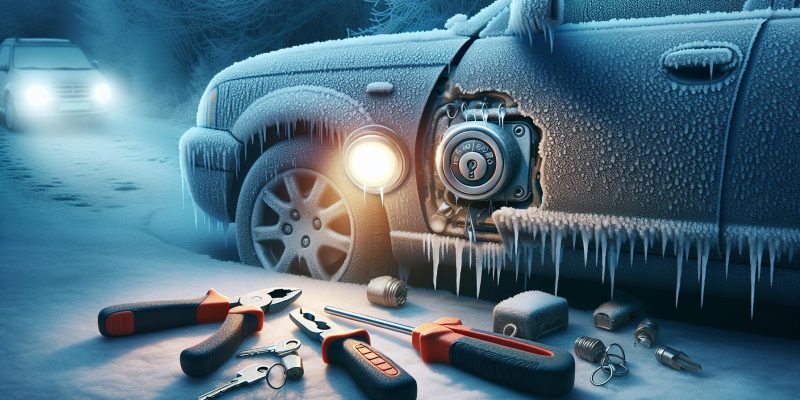
As winter sets in and temperatures plummet, manny drivers face the frustrating reality of ski-ready vehicles with door locks that refuse to budge.Understanding how cold weather affects your car’s locking mechanisms is crucial, as frozen locks can lead to delays and costly repairs. Learn how to prevent and address these icy challenges to keep your vehicle secure and accessible all season long.
Understanding How Cold Weather Affects Vehicle Locks

Cold weather can wreak havoc on vehicle locks, leading to frustrating situations when you least expect it. As temperatures plummet, moisture can infiltrate locks and freeze, ultimately causing them to jam. This phenomenon raises the question: can freezing temperatures cause your vehicle’s door locks to jam? Understanding the mechanics behind this issue not only helps in troubleshooting but also aids in preventative measures, ensuring smoother operations during winter months.
How Freezing conditions Impact Vehicle Locks
Vehicle door locks consist of intricate mechanical components that can be adversely affected by extreme cold. When water, whether from rain or melted snow, seeps into the lock mechanism, it can freeze, preventing the key from turning or the latch from operating correctly. This freezing process can create a solid block of ice around the internal mechanisms or cause the lubricants inside to thicken, leading to increased resistance when attempting to unlock the door.
Common Factors Contributing to Locked Doors
Several factors can exacerbate the freezing of vehicle locks during winter:
- Temperature Fluctuations: Rapid changes between warm and cold temperatures can create condensation, allowing moisture to seep into the lock.
- Humidity: High humidity levels increase the chances of moisture accumulation within the lock.
- Improper Lubrication: Lack of adequate lubrication can lead to further complications, as conventional oils may freeze or thicken.
Understanding these factors highlights the importance of regular maintenance, especially during the colder months.
Preventative Measures
To mitigate the risk of frozen locks, consider the following proactive strategies:
| Action | Description |
|---|---|
| Use Silicone Lubricant | Apply water-resistant silicone lubricant inside key slots to prevent moisture buildup. |
| Regular maintenance | Check and service locks regularly to ensure proper function and lubrication. |
| Lock de-Icer | Keep a can of lock de-icer in your vehicle for emergencies; it can quickly thaw frozen locks. |
Utilizing these practical measures can significantly reduce the likelihood of your vehicle’s door locks jamming due to freezing temperatures. Maintaining awareness of how weather conditions affect your locks will empower you to take action before problems arise.
common Symptoms of Jammed Door Locks in Winter
Cold weather can play tricks on your vehicle, notably when it comes to door locks. Many drivers experiance the frustration of a jammed lock during winter months, often wondering if freezing temperatures are the culprit behind their bothersome issues. Understanding the symptoms of jammed door locks is crucial for rapid troubleshooting and maintaining access to your vehicle.
common Symptoms of Jammed Door Locks
When temperatures drop, your vehicle’s door locks can exhibit several clear signs that they may be jammed due to freezing conditions:
- Difficulty turning the key: If you insert your key and find it unusually resistant or impractical to turn, this could indicate ice or frost buildup inside the lock.
- Lock not engaging or disengaging: A lock that won’t fully lock or unlock may signify that the internal mechanisms are frozen or kinked due to the cold.
- Audible clicking noises: If you hear a clicking sound when attempting to unlock the door, it may point to the lock being stuck or obstructed by ice.
- delayed response: Locks that respond slowly or intermittently may be jammed, requiring further inspection.
These symptoms may also be worsened by the accumulation of moisture, which can freeze and cause the lock mechanism to seize. In addition to these indicators, it’s beneficial to consider external factors such as the condition of your door seals and the surrounding habitat. For example, if your vehicle has been parked in an area prone to moisture, the likelihood of ice forming in your lock increases significantly.
Preventive Measures and Quick Fixes
To combat the issue of jammed locks during cold weather, consider implementing some proactive strategies:
- Utilize lock de-icer: Purchase a specialized lock de-icer solution to keep in your vehicle.A few drops in the lock mechanism can definitely help dissolve any ice buildup.
- Keep locks lubricated: Applying a graphite lubricant can help keep the internal mechanisms functioning smoothly, preventing the lock from freezing.
- Cover your locks: Using protective covers or putting plastic wrap over your car doors can definitely help prevent moisture from entering the lock mechanism.
- Sheltered parking: Whenever possible, choose to park in a garage or covered area to shield your vehicle from the harsh elements.
Understanding the symptoms associated with the possibility of freezing temperatures causing your vehicle’s door locks to jam allows for better readiness and quick resolutions. By observing these signs and taking preventive measures, you can minimize the consequences of winter’s chill on your car’s locking system.
The Science Behind Freezing Temperatures and Metal Components
understanding the Impact of Low Temperatures on Metal Components
When temperatures plunge, the physical properties of metal components are significantly altered, leading to potential issues such as door locks jamming in vehicles. As metals cool,they experience contraction,which can affect their fit and function in mechanical assemblies. In extreme conditions, the risk of components seizing increases, raising the question: Can freezing temperatures cause your vehicle’s door locks to jam? Indeed, cold weather can render locks and mechanisms less responsive.
Among the most affected materials are various types of steel and aluminum alloys. Low carbon steels containing a high percentage of nickel, specifically around 3.5% or higher, exhibit improved performance in sub-zero conditions, making them less susceptible to freezing-related issues [1[1]. In contrast, lighter alloys, while still usable, may not guarantee the same reliability during harsh winter conditions.
Preventative Measures and Real-World Solutions
To prevent door locks from jamming during freezing temperatures, consider the following practical advice:
- Regular Lubrication: Utilize a silicone-based lubricant to keep the locking mechanism well-greased. This can help prevent moisture from freezing inside the lock.
- weather stripping: Check and replace weather stripping around doors to minimize moisture penetration, which can freeze and cause jams.
- Keyhole maintenance: Regularly clear debris from the keyhole and apply a de-icer if you anticipate colder temperatures.
In addition, understanding how different metals behave in low temperatures can inform better material choices when purchasing or maintaining vehicles. Such as,components made with aluminum and titanium alloys,although less reliable in extreme cold,can still be effective when designed with cold-weather resilience in mind [1[1].
By applying this knowledge,vehicle owners can mitigate the adverse effects of freezing temperatures on their door locks and enjoy smoother operation even in the harshest winter conditions.
Preventative measures to Keep Your Door Locks Functional

Essential steps to Ensure Your Door Locks Remain Operational
When the cold weather arrives, vehicle owners often face the frustrating reality of door locks freezing and jamming. Though, with proper preventative measures in place, you can significantly reduce the likelihood of experiencing such inconveniences. Regular maintenance and timely interventions can keep your vehicle’s locks free from trouble, making your winter mornings less stressful.
One of the most effective ways to prevent locks from freezing is by regularly lubricating them. Using graphite or silicone-based lubricants is ideal, as they are less likely to attract dirt and grime compared to oil-based products. It’s recommended to apply these lubricants every few months or before the onset of winter. Additionally, if you notice any moisture buildup, ensure to wipe down your locks with a dry cloth before applying lubricant to prevent freezing.
Another proactive step involves protecting your locks from the elements. Consider using a lock cover or even a simple piece of tape over the lock’s opening when you’re parked in harsh weather. This additional barrier will help keep snow and ice out, further reducing the risk of freezing. Moreover, if you use your vehicle frequently, aim to park in a garage or a sheltered area to shield it from extreme weather conditions.
to complement these strategies, regular inspections of your locks and doors can help identify any potential issues before they worsen. Check for any corrosion or wear and replace any rusty screws or broken components that could contribute to jamming. Remember: timely repairs not only enhance the performance of your locks but also extend their lifespan, saving you money in the long run.
- Lubricate Your Locks: Use graphite or silicone-based lubricants every few months.
- Cover Your Locks: Utilize lock covers or tape to keep out snow and ice.
- Inspect Regularly: Check for corrosion or wear to ensure effective functioning.
Taking these preventative measures can significantly mitigate the chances of your vehicle’s door locks freezing, ensuring they remain functional even during the harshest of winters.
Tips for Safely unfreezing Jammed Locks
Effective Methods to Unfreeze Your Car’s Door Locks
When winter deepens and temperatures plummet, many drivers are confronted with the frustrating challenge of jammed door locks. Understanding how freezing temperatures cause your vehicle’s door locks to jam is crucial, but knowing how to safely unfreeze them is equally crucial. Below are some practical tips to help you restore functionality to your locks without causing damage.
- Warm the Lock – One of the gentlest methods is to warm the lock itself. You can use a hairdryer set to a low heat setting to blow warm air directly onto the lock.This method melts any ice within without exposing the lock to extreme heat.
- Use De-icing Spray – Commercial de-icing sprays are designed for this very purpose. They work quickly to thaw frozen locks. Just spray a small amount directly into the keyhole and wait a moment before attempting to turn the key.
- Key Warming – If you have a metal key, you can warm it by holding it in your hands or briefly running it under warm water (not boiling!).Insert the warm key into the lock to help melt any ice inside.
- Preventive Measures – To avoid future incidents, consider applying a light coat of lubricant, like graphite powder or silicone spray, inside the lock. This will help repel moisture and prevent freezing. Additionally, keeping a magnet over the lock overnight can serve as a simple preventive measure against freezing.
Alternative Solutions for Emergency Situations
If customary methods fail and you’re in a bind, there are a few clever tricks up your sleeve. For instance, if you have a container of hand sanitizer on you, its alcohol content can help melt ice. Simply apply some onto the key and insert it into the lock.
Alternatively, if you notice that your lock often freezes, consider investing in a lock heater designed to provide warmth to the lock in extreme cold. These devices can be hardwired into your vehicle, ensuring that your locks are never at risk of jamming again.
| Method | Description |
|---|---|
| Warm the Lock | Use a hairdryer to gently apply heat. |
| De-icing Spray | Spray designed to quickly dissolve ice in locks. |
| Key Warming | Warm the key before insertion to aid melting. |
| Preventive Lubrication | Use graphite or silicone to keep moisture out. |
| Hand Sanitizer | Alcohol-based sanitizer can melt ice for quick fixes. |
by employing these ,you can ensure that cold weather won’t keep you stranded. Being proactive and taking preventive measures can save you from potential hassles in the future, ensuring your vehicle’s locks remain functional even in the harshest conditions.
When to Seek Professional Help for Locked Doors
Recognizing the Signs of a Lock Issue
As winter’s chill sets in, the question often arises: *Can freezing temperatures cause your vehicle’s door locks to jam?* Indeed, harsh winter conditions can lead to a variety of lock malfunctions. It’s crucial to be vigilant about the early symptoms of door lock issues; waiting to long can turn a minor annoyance into a significant problem. If you find that hard freezing temperatures have rendered your lock unresponsive, it’s essential to assess the situation promptly.
when to Call a Professional
In many cases, a little bit of warmth—such as a gentle application of heat or using a door lock de-icer—might resolve the problem. However,here are some situations where it’s advisable to seek the expertise of a professional locksmith:
- Persistent Issues: If you frequently experience locks jamming nonetheless of the temperature,it may indicate underlying wear or damage.
- Physical Damage: Signs of physical wear or damage, such as a bent key or visible debris around the lock, warrant professional inspection.
- Frozen Locks: If simple solutions fail to work and your lock remains frozen after following common de-icing methods,it’s time to consult an expert.
- Complicated Systems: Modern vehicles often come equipped with sophisticated locking mechanisms, including electronic locks which require specialized tools and knowledge to fix.
Potential Long-term Consequences
Neglecting a malfunctioning lock, particularly when driven by freezing temperatures, can lead to more than just inconvenience.A lock that is difficult to engage or open poses a security risk, as it can leave your vehicle vulnerable to theft. Additionally,forcing a jammed lock can cause further damage,potentially resulting in costly repairs.
Seeking professional help not only ensures the immediate problem is resolved effectively but also helps maintain the integrity and longevity of your vehicle’s locking system. By recognizing when a simple DIY fix isn’t enough, you can safeguard against future issues, aligning with best practices around vehicle maintenance, especially in adverse weather conditions.
Long-term Solutions to Combat Winter Lock Issues
Understanding the Impact of Cold Weather on Door Locks
As winter temperatures drop, many vehicle owners face the frustrating reality of door locks that refuse to budge. The combination of moisture in the air and the contraction of metal components leads to a common issue: frozen or jammed locks.Understanding how freezing temperatures can cause your vehicle’s door locks to jam is essential for taking effective preventive measures.
To combat these winter lock woes, it’s essential to adopt long-term strategies that ensure your locks remain functional regardless of the weather conditions. Here are several effective solutions:
- Apply Lubricants Regularly: Use silicone spray or graphite-based lubricants to coat the interior mechanisms of the lock. These options repel moisture and reduce the chance of icy formations. Regular application, especially before winter, can help keep your locks free from ice and debris.
- Seal the Locks: Consider using lock covers or applying a weather-resistant sealant around the lock area. These protective measures can help prevent moisture from entering the lock cylinder and freezing.
- Park Strategically: If possible, avoid parking your vehicle in exposed areas overnight.Garage parking or positioning the vehicle near a wall can reduce the effect of harsh cold winds and limit frost formation around the locks.
- Utilize De-icer Solutions: For particularly cold days, consider investing in a lock de-icer spray. These sprays can quickly thaw a frozen lock, allowing you to access your vehicle without extensive hassle.
Real-World Examples and Practical Steps
In practical applications, real-world strategies have proven accomplished among vehicle owners during winter months. For instance, a user on Reddit shared that applying WD-40 to door locks and hinges resulted in significant improvements, helping prevent locks from freezing during severe weather [[3](https://www.reddit.com/r/cars/comments/5fhj0u/how_do_i_prevent_a_frozen_door_lock/)].Additionally, many recommend a DIY alternative by warming your key with a lighter before using it. This simple step can offer immediate relief when you’re in a bind [[2](https://www.reddit.com/r/cartalk/comments/1uhdcw/best_way_to_prevent_frozen_car_door_lock_best_way/)].
Investing time in these preventative measures not only minimizes the chances of encountering frozen locks but ensures your vehicle remains easily accessible throughout the chilly months. By taking proactive steps, you can effectively diminish the risk of freezing temperatures causing your vehicle’s door locks to jam.
Comparing Different Lock Types: Which Is More Freeze-Resistant?
Understanding Lock Resilience Against Freezing Conditions
In environments where temperatures plummet, understanding the freeze-resistance of various lock types becomes crucial to avoid the frustration of jammed locks. The consequences of locking mechanisms failing in the cold can be more than an inconvenience; they can lead to delayed schedules or even security risks. Different locks offer various levels of resilience against freezing temperatures, and opting for the right type can save you significant hassle.
Types of Locks and Their Freeze-Resistance
When discussing which locks are better suited for freezing conditions, it’s essential to compare some popular types of locks based on their design and materials. Here’s a simple comparison:
| Lock Type | Materials | Freeze-Resistance | Additional Features |
|---|---|---|---|
| Conventional Padlocks | Steel, Brass | Moderate | Prone to internal freezing, especially in humid conditions |
| Weatherproof Locks | Stainless Steel, Plastic Casing | High | Designed to resist moisture; however, not entirely freeze-proof |
| Smart/Electronic Locks | Waterproof Materials | Very High | Typically includes freeze-proof features and often self-diagnosis capabilities |
Conventional Padlocks generally offer moderate resistance to freezing, as the metal components can attract moisture. If this moisture freezes, it can seize the internal mechanisms. Additionally, using locks with brass components can increase susceptibility to environmental factors.
In contrast, weatherproof locks present a significant advancement. These locks frequently enough incorporate materials designed to resist the cold better than typical locks, even though they are not impervious to freezing. They can be a reliable option for those living in regions that experience harsh winter conditions [1].
Lastly, smart or electronic locks stand out as superior options in extreme cold. With features such as waterproof designs and durable casings, they demonstrate excellent resistance to freezing temperatures. Many smart locks are constructed to withstand outdoor conditions, frequently enough featuring innovations that prevent freezing altogether, ensuring your access points remain functional even in below-zero situations [3].By selecting the right type of lock and considering the climate of your area, you can significantly bolster your defenses against the challenges posed by freezing temperatures, ensuring that your vehicle’s door locks remain operational when you need them most.
Faq
Can Freezing temperatures Really Cause Vehicle Door Locks to Jam?
Yes,freezing temperatures can indeed cause vehicle door locks to jam. When temperatures drop significantly,moisture can enter the lock mechanism and freeze. This ice can create blockages that prevent the lock from operating smoothly. Additionally, extreme cold can cause components to contract, leading to a poor fit within the lock assembly.As an inevitable result, mechanical parts may not engage as intended, making it difficult or even impossible to unlock your vehicle.
For example, if you’ve parked your car outside during a snowstorm and the temperatures plummet overnight, you might find that your lock won’t turn when you try to insert the key in the morning. This is not uncommon and underscores the need for proper lock maintenance and preparation for cold weather.
What Are the Signs That My Vehicle’s Door Locks Are Freezing?
There are several signs that may indicate your vehicle’s door locks are freezing. The most apparent sign is difficulty turning the key in the lock; if you notice resistance or the key won’t turn at all, this could signal ice formation. Additionally, if your vehicle’s locks occasionally work smoothly but then jam unpredictably in cold weather, this inconsistency may suggest that moisture has entered the lock mechanism and is freezing.
Another indicator is if you hear a cracking or popping sound when attempting to operate the lock. This noise can result from the internal components of the lock grinding against frozen water. If you observe physical frost on the lock or surrounding areas, it’s a tell-tale sign that freezing temperatures are affecting your lock system.
What Should I do if My Vehicle’s door Lock is Frozen?
If you find yourself in a situation where your vehicle’s door lock is frozen, there are several steps you can take to remedy the situation.A common and effective method is to gently warm the key with your breath or use a lighter for a few seconds (taking care not to overheat it). Insert the warm key into the lock and attempt to turn it, as the heat may help melt the ice within.
Another helpful strategy is to pour warm—not boiling—water over the lock. This will help thaw any ice blocking the mechanism. However, be cautious, as this could lead to additional issues if water seeps into the lock and then freezes again onc temperatures drop, complicating matters further.
How Can I Prevent My Vehicle’s Door Locks from Freezing?
Preventing your vehicle’s door locks from freezing involves a few proactive measures. First, regularly lubricate the locks with a proper lock lubricant, such as graphite powder or a silicone spray, to ensure that moisture cannot easily accumulate inside. Avoid oil-based products, as they can attract dirt and grime, which may worsen the situation.
Additionally, consider protecting your door locks with a silicone sealant around the edges or using covers specifically designed to insulate locks from cold weather. cleaning the locks at the onset of winter can also help, as removing accumulated dirt and debris can minimize the chances of moisture freezing inside the mechanism.
are Certain Types of Locks More Susceptible to Freezing?
Yes, some types of locks are more susceptible to freezing than others. Traditional mechanical locks, especially those that have older designs or are lacking proper sealing features, can allow moisture to penetrate easily. In contrast, electronic locks, while also potentially vulnerable, often have designs that incorporate better seals and are less prone to freezing issues.Locks that are frequently exposed to outdoor elements, such as those in older cars or vehicles used in cold, humid climates, may also be more affected. Opting for a higher-quality lock with robust housing and seals can significantly reduce the likelihood of freezing in harsh weather conditions.
How Frequently enough Should I Maintain My Vehicle’s Door Locks during Winter?
During winter, maintaining your vehicle’s door locks should be part of your regular vehicle care routine. Ideally, inspect and lubricate your locks at the start of the season and again midway through. If you live in an area prone to severe winter weather,consider performing this maintenance more frequently.Additionally, after significant snow or rain, it’s wise to check if moisture has accumulated around the locks. By being proactive and vigilant, you can ensure that your locks remain functional throughout the winter months, reducing the risk of getting stranded due to frozen locks.
Wrapping Up
freezing temperatures can indeed cause your vehicle’s door locks to jam, creating frustrating situations for drivers. To prevent this from happening,consider applying water-resistant silicone lubricant in the key slot and using a reliable lubricant like WD-40 on the lock cylinders to keep them functioning smoothly during the cold months[[[1]](https://www.quora.com/I-cant-open-my-car-doors-from-the-outside-when-its-freezing-outside-as-they-are-stuck-How-do-I-fix-this) [[2]](https://www.bumper.co/blog/hack-to-prevent-frozen-car-locks). Additionally,simple physical actions,such as gently hip checking the door or tapping around the lock area,can help break the ice and free any stuck mechanisms[[3]](https://www.reddit.com/r/alaska/comments/18h797b/ak_life_hack_request_preventing_frozen_car_doors). For further information, tips, and effective winter car maintenance strategies, feel free to explore more articles on our site. Stay prepared and keep your vehicle running smoothly all winter long!


